
Hot take: some of the most meaningful cancer research right now is not about inventing a flashier drug, but about helping people stay on the drugs we already know can work. That is exactly why the GEMMA trial, listed as NCT07553234, caught my attention. On paper, it studies the gut microbiome, gastrointestinal side effects, and a pilot fiber intervention using chia seeds in people with HR+/HER2- breast cancer receiving abemaciclib plus endocrine therapy. In real life, it is asking a much more human question: can we make a good treatment easier to live with?
The problem hiding in plain sight
Abemaciclib is an important treatment for people with hormone receptor-positive, HER2-negative breast cancer. It is used alongside endocrine therapy and has become a meaningful part of care for many patients. But as any clinician who spends time in the exam room knows, a treatment can be effective and still be rough around the edges.
One of those edges is gastrointestinal toxicity. That phrase sounds tidy and scientific. Patients usually use different wording. They might say the medication upsets my stomach, throws off my day, makes eating feel unpredictable, or turns every errand into a strategic map of nearby bathrooms. The science term is neat. The lived experience is not.
That gap matters. Side effects are not a side plot. They shape adherence, dose adjustments, quality of life, and sometimes whether a patient can keep going at all.
Why the gut microbiome is suddenly in the middle of the story
The gut microbiome is the community of bacteria and other microorganisms living in the digestive tract. I sometimes describe it as a busy apartment building that has somehow been put in charge of metabolism, inflammation, digestion, and bits of the immune system. Which is a lot to ask from microscopic tenants who never pay rent.
Researchers have become increasingly interested in whether the microbiome influences how patients tolerate cancer treatment. The idea is biologically plausible and clinically appealing. If the gut ecosystem helps shape inflammation and bowel function, then differences in that ecosystem might help explain why one person sails through therapy while another struggles with diarrhea or other gastrointestinal symptoms.
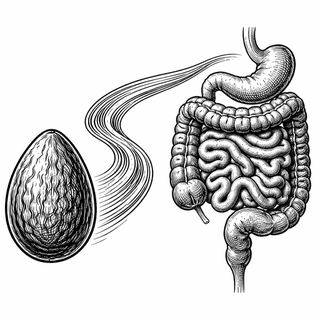
That is the core idea behind GEMMA. The study is designed in two sequential parts. First comes a prospective observational phase. That means researchers watch carefully, collect data forward in time, and look for patterns between the gut microbiome and treatment-related gastrointestinal toxicities in patients receiving abemaciclib plus endocrine therapy. Then comes a small pilot interventional phase using a fiber supplement in the form of chia seeds.
And yes, that means a serious cancer-supportive care study involves chia seeds. Science contains multitudes.
Why chia seeds are more than a wellness-store cameo
At first glance, chia seeds can sound suspiciously like they wandered in from a smoothie recipe. But fiber is not a trivial idea here. Fiber can affect stool consistency, bowel habits, and the composition and activity of the gut microbiome. In the right setting, a simple dietary intervention might be a practical way to reduce treatment-related gastrointestinal symptoms.
That is what makes this study feel smart. It is not trying to outmuscle a side effect with a complicated rescue plan after the fact. It is exploring whether the gut environment itself might be part of the explanation and part of the solution.
As a clinical researcher, I find that approach refreshing. We spend a lot of time in oncology talking about major endpoints, major drugs, major breakthroughs. Fair enough. But patients also live in the land of minor-seeming daily disruptions that are not minor at all. If a spoonful of fiber can help someone stay on therapy with fewer miserable days, that is not cute. That is clinically meaningful.
What this trial is actually studying
Based on the trial summary, GEMMA focuses on patients with HR+/HER2- breast cancer who are receiving abemaciclib plus endocrine therapy. The study aims to evaluate the relationship between the gut microbiome and treatment-related gastrointestinal toxicities.
The structure matters:
- Part 1 is prospective and observational.
- Part 2 is a small pilot dietary intervention.
- The intervention is a fiber supplement using chia seeds.
- The broader goal is to understand and potentially reduce gastrointestinal side effects linked to treatment.
In other words, the trial is not just asking whether patients have side effects. It is asking whether those side effects may be connected to measurable features of the gut microbiome, and whether a modest nutrition-based strategy could help.
That is a more sophisticated question than it first appears. It moves from "this drug causes diarrhea" to "why does this happen differently across patients, and can we intervene in a low-burden, real-world way?"
Why this could matter in the clinic
If GEMMA succeeds, the real-world impact could be surprisingly broad.
First, it could help clinicians identify patients who are more likely to develop gastrointestinal toxicity. That opens the door to earlier counseling, closer monitoring, or preventive support instead of waiting for symptoms to spiral.
Second, it could support microbiome-informed supportive care. That does not mean every oncology clinic will suddenly turn into a fermentation laboratory. It means we may eventually get better at matching symptom management to biology rather than shrugging and handing out generic advice.
Third, it could normalize supportive care research as central cancer research. I am very much in favor of this. Patients do not experience treatment in separate folders labeled efficacy and tolerability. They experience the whole package, usually while trying to answer emails, make dinner, and remember where they parked.
The challenge this study is up against
Of course, microbiome research is not simple. The gut ecosystem is shaped by diet, medications, antibiotics, stress, baseline health, and plain old human variability. Sorting signal from noise can be difficult. Nutrition interventions also sound easier than they are. What seems simple on a study design diagram can get messy once real people, real appetites, and real treatment days enter the picture.
There is also a classic challenge in supportive care trials: even when an intervention is safe and low-cost, it still has to prove it helps in a measurable way. "It seems reasonable" is not enough. Medicine has a long history of ideas that looked elegant until data arrived with a raised eyebrow.
That is why prospective work like this matters. It turns a plausible story into something testable.
The bigger picture
What I like most about GEMMA is its scale of ambition. It is not pretending to solve breast cancer with a pantry item. It is trying to solve a very real treatment burden with biological insight and a practical intervention. That is a different kind of innovation, but not a lesser one.
We need more studies that ask how people actually get through therapy, not just whether the therapy works in a survival curve. The future of oncology is not only stronger drugs. It is smarter support. Sometimes that support may come from high-tech profiling. Sometimes it may come from understanding when the gut needs a better game plan. Sometimes, apparently, it may come with tiny seeds that swell in water like they have a flair for drama.
And honestly, if that helps patients feel better and stay on treatment, I am willing to respect the theatrics.
Disclaimer
This article is for educational purposes only and is not medical advice. Patients should discuss treatment decisions, side effects, and dietary changes with their oncology team.
Citation
Primary trial registration: ClinicalTrials.gov - NCT07553234
Table view: https://clinicaltrials.gov/study/NCT07553234?tab=table