
You know that feeling when you step into a medical facility, and everything looks pristine, polished, and just a bit too perfect? It’s almost like the instruments are waiting to perform the world’s most meticulously choreographed dance. But what if I told you that beneath that shiny surface, there’s a whole world of wear and tear happening? A recent study grabbed my attention and got me thinking about the unsung heroes of healthcare: stainless steel tools. Specifically, researchers took a long, hard look at how different surface finishes affect the durability of AISI 420 stainless steel during cleaning, disinfection, and sterilization. Think of it as a beauty contest for surgical instruments - only with a focus on long-term performance.
The Cleanliness Conundrum: More Than Just a Polish Job
When it comes to medical devices, cleanliness is next to godliness. However, the reality is that surgical tools aren’t just getting a quick buff and shine between surgeries. They undergo repeated cleaning, disinfection, and sterilization, which can take a toll on their surface properties over time. Picture trying to keep your favorite pair of shoes pristine while walking through mud; it’s a serious uphill battle.
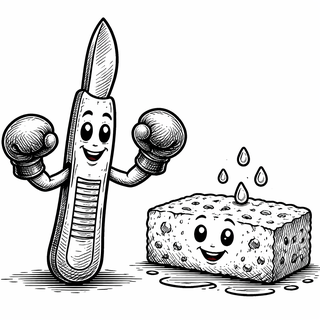
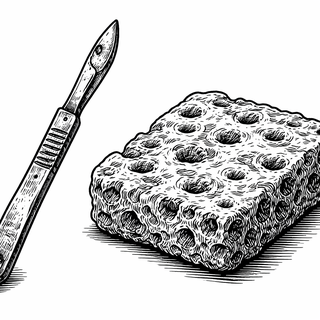
In the study, researchers examined how two different surface finishes - mechanically brushed (MB) and glass bead-blasted (GBB) - held up after going through up to 1,000 processing cycles. What they found was nothing short of eye-opening. The GBB surfaces were rougher and more hydrophilic (meaning they liked water more) than their MB counterparts. It’s like comparing a sponge to a dry towel; one is far better at soaking up water - an essential quality for surgical tools that need to stay clean.
Roughing It: The Good, the Bad, and the Ugly of Surface Finish
So, what’s the big deal about surface finish? Well, in the world of stainless steel, it can significantly impact durability and usability. The researchers measured surface roughness, microhardness, and even how much water the surfaces attracted (wettability). GBB samples consistently boasted a higher microhardness - think of it as being tough enough to handle a few rounds in the boxing ring. But here's where the plot thickens: while GBB surfaces were hardier, they also developed more frequent oxidation-related dark spots over time. This suggests that while they can take a beating, they might look a bit worse for wear on the surface.
Imagine you’re at a party, and you’ve got the most impressive dance moves - everyone’s watching you. But then, just as you're about to bust out your signature move, you trip and land face-first in a cake. Sure, you can keep dancing, but you might not look quite as good doing it. That’s GBB for you - reliable but not without its blemishes.
Infection Prevention: The Hidden Cost of Aesthetic Choices
Now, let’s talk about the implications of this research - because it’s not just about shiny tools. The study’s findings have real-world applications that can impact patient safety. If the surface finish of medical devices affects how well they can be cleaned and maintained, that could influence infection rates. A device that develops discoloration or structural integrity issues may not only impact its lifespan but could also pose risks to patients.
Just think about it: when you step into an operating room, you want to be sure that every tool is not only visually clean but also able to withstand the rigors of repeated use without compromising safety. This research could guide medical professionals in choosing the right surface finish, ensuring that the devices they rely on are not just tough but also trustworthy.
The Bottom Line: What This Means for Everyday People
You might be wondering, “Why should I care about the finish on stainless steel tools?” Well, the answer is simple: your health may depend on it. Understanding how these surfaces can wear down over time can lead to better cleaning protocols and device selection, ultimately improving patient outcomes. Plus, it’s a reminder that even the most robust tools need a little TLC.
As consumers, we often take for granted the technologies and materials used to keep us safe during medical procedures. However, research like this sheds light on the intricacies involved in maintaining that safety, one cycle at a time. The next time you find yourself in a medical setting, you might just appreciate that shiny scalpel a bit more - and maybe even visualize it as a caffeinated squirrel, ready to tackle whatever comes its way!
Disclaimer: This blog post is for informational purposes only and should not be considered medical advice. Always consult a healthcare professional for questions regarding medical devices and procedures.
Citation: Barmouz M, Steinhäuser F, Azarhoushang B, Bucher V, Sauer D. Surface Finish-Dependent Stability of Stainless Steel under Long-Term Cleaning, Disinfection, and Sterilization Process: AISI 420 in Medical Applications. J Hosp Infect. 2025 Dec 19:S0195-6701(25)00426-8. doi: 10.1016/j.jhin.2025.11.046. PubMed