
Have you ever watched a weather forecast and thought, "Why didn’t I bring an umbrella?" Just like a sudden downpour can catch you off-guard, so can an acute exacerbation of Chronic Obstructive Pulmonary Disease (COPD). These uninvited episodes not only make breathing a chore but also can lead to emergency room visits, hospitalizations, and a whole lot of stress for patients and their families. But what if I told you there’s a way to potentially predict these exacerbations before they turn your day upside down? Enter the BREATH-TRACHER 2 trial, a groundbreaking study aimed at harnessing the power of wearable technology to keep COPD patients ahead of the curve.
The Challenge of COPD Exacerbations
For those of us who don’t have a medical degree (and it’s totally okay if you don’t!), let’s break down what COPD exacerbations are. Think of COPD as the grumpy uncle of respiratory conditions - forever there, always making things a bit harder. When exacerbations occur, it’s like Uncle COPD decides to throw a surprise party that no one wants to attend. Sadly, these flare-ups can lead to serious complications, frequent emergency visits, and a significant dip in quality of life.
The good news? Researchers are on a mission to change this narrative. The BREATH-TRACHER 2 Trial is stepping up to the plate with a strategy that could transform the way we manage COPD and improve lives.
What Is the BREATH-TRACHER 2 Trial?
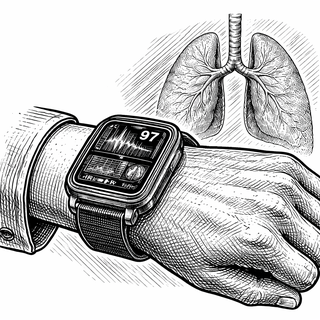
So, what’s the scoop with the BREATH-TRACHER 2 trial? In simple terms, the study is exploring the feasibility of a wearable device known as the Frontier X2. Picture a smartwatch but designed to keep tabs on your breathing patterns - kind of like having a personal coach on your wrist, reminding you to take your meds and check your oxygen levels.
Researchers aim to collect real-world data on patients with COPD who have experienced exacerbations in the past year. These participants will wear the device in their daily lives for up to 18 months, continuously monitoring vital signs like heart rate and respiratory rate. The goal? To spot those sneaky physiological changes that precede an exacerbation so that interventions can occur before things get out of hand.
The Power of Continuous Monitoring
Imagine if you had a smoke detector that not only warned you of smoke but also sensed when the fire was about to start. That’s what the Frontier X2 aims to do. By constantly tracking physiological signals, it could alert patients and healthcare providers to changes in health status before an exacerbation rears its ugly head.
The researchers will be utilizing a statistical quality control method called the Cumulative Sum approach to identify these changes. This method essentially takes a deep dive into the data and looks for patterns - so think of it as a detective sifting through clues to solve a mystery. By correlating these findings with clinical records and qualitative data from biweekly self-administered questionnaires, the team aims to create a comprehensive picture of how COPD exacerbations unfold.
Why Should You Care?
You might be wondering, “This all sounds fancy, but why should I care?” Well, if you or someone you love is affected by COPD, the implications are significant. The BREATH-TRACHER 2 study has the potential to shift the paradigm of COPD management from reactive to proactive care.
Imagine being able to manage your health from the comfort of your own home. Instead of waiting for a crisis to arise, you could receive alerts when your body indicates it’s time to take action. This kind of early intervention could mean fewer hospital visits, reduced healthcare costs, and, most importantly, an improved quality of life for those living with COPD.
Moreover, if the Frontier X2 proves to be reliable, it could pave the way for similar technologies in other chronic conditions. The idea of wearable tech revolutionizing healthcare isn’t just science fiction - it’s on the brink of becoming our new reality.
What’s Next for the BREATH-TRACHER 2 Trial?
The researchers began recruiting participants in June 2024, with data collection expected to wrap up around December 2025. Once the data is analyzed, results will be shared with the world in January 2026. So, while we’re all waiting for the final verdict on the Frontier X2's effectiveness, the excitement is palpable.
Patient outcomes could dramatically improve, and who knows? This might be the turning point that guides us toward smarter, more proactive healthcare solutions.
So, the next time you hear about wearable technology, think of it as more than just a trendy accessory. It could be the ticket to a healthier, more empowered life for those battling chronic diseases like COPD. And who wouldn’t want that?
Disclaimer: This blog post is for informational purposes only and does not constitute medical advice. Always consult a healthcare professional for advice and treatment tailored to your specific needs. Images and graphics are for illustrative purposes only and do not depict actual medical devices, procedures, mechanisms, or research findings from the referenced studies.
For more information on the BREATH-TRACHER 2 trial, check out the original study here.