
The human body has a strange habit of turning minor trouble into a long-running renovation project. A little bleeding around the brain can linger, simmer, and keep causing symptoms long after the original insult has packed its bags. Subdural hematomas are a fine example. They are like a leak behind the wall that the house keeps politely pretending is not a problem until the ceiling starts sagging.
That is why the clinical trial RADIANT caught my eye. Its full title is a mouthful only a committee could love: Pivotal Study of the Treatment of Symptomatic Subacute and Chronic Subdural Hematoma Via Middle Meningeal Artery Embolization With the NeoCastTM Embolic System. Strip away the syllables and the idea is straightforward: can doctors improve treatment for certain symptomatic subdural hematomas by blocking off the middle meningeal artery with the NeoCast Embolic System, alongside surgery?
What problem is this trial trying to solve?
A subdural hematoma is a collection of blood between the brain and its outer covering. When it is subacute or chronic, it is not the explosive, lights-and-sirens kind of bleed people imagine from TV. It is often slower, older blood and fluid that can keep hanging around and causing headaches, confusion, weakness, falls, and all the other charming ways the brain signals that it is not enjoying itself.
These cases are especially common in older adults, sometimes after a minor bump to the head that seemed harmless at the time. Blood thinners can make matters worse. So can the sheer unfairness of gravity, aging, and biology deciding to team up for no good reason.
The usual treatment for symptomatic cases often involves surgery to drain the hematoma. That can help fast, which matters when someone is declining. But one of the headaches for clinicians, both literal and figurative, is recurrence. You drain the collection, the patient improves, everybody exhales, and then the thing comes back like a bad sequel nobody asked for.
The idea behind embolization
This is where middle meningeal artery embolization enters the picture. The middle meningeal artery helps feed membranes involved in the chronic bleeding and inflammation that can sustain these hematomas. The theory is elegant enough to make even a tired ER doctor nod approvingly: if you reduce the blood supply feeding the problem, maybe you reduce the chance it refills.
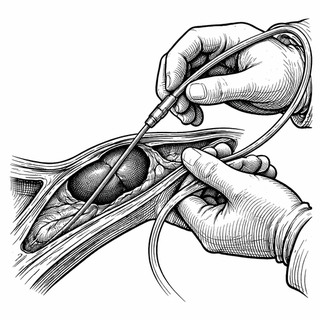
Embolization means navigating catheters through blood vessels and delivering material that blocks a target artery. In this trial, the device being studied is the NeoCast Embolic System. The supplied study summary says the trial is evaluating the safety and efficacy of embolizing the middle meningeal artery for symptomatic subacute or chronic subdural hematoma, used adjunctive to surgery. That last phrase matters. This is not presented as replacing surgery outright. It is being studied as a partner, not a substitute.
That combination makes clinical sense. Surgery deals with the blood that is already there. Embolization may help stop the biology that wants to recreate the mess. One cleans the flooded basement. The other turns off the pipe.
Why this is interesting
From the bedside, this is interesting because chronic subdural hematoma sits in an awkward zone. It is common, potentially serious, and often treatable, but not always neatly solved. We have all seen patients who looked better after drainage, only to be dragged back into the system by recurrence, more imaging, more procedures, more anxiety, and more family meetings in rooms with coffee that tastes faintly of drywall.
A pivotal trial in this space suggests the field is moving from promising technique to harder evidence. That is the part worth watching. Medicine is full of ideas that sound smart over lunch and collapse on contact with actual patients. A proper trial is where charm goes to get tested.
If RADIANT shows that this approach is both safe and effective, it could strengthen the case for building embolization into standard treatment pathways for the right patients. That matters not just for specialists, but for patients and families trying to avoid repeat procedures, repeat hospital stays, and repeat rounds of, "Wait, I thought this was fixed?"
What the trial is looking at
Based on the supplied registry summary, RADIANT is focused on several core questions:
- Is middle meningeal artery embolization with NeoCast safe?
- Does it improve outcomes when used alongside surgery for symptomatic subacute or chronic subdural hematoma?
- Can it help address a stubborn clinical problem that surgery alone does not always finish off?
The record provided identifies this as a pivotal study, which usually signals a trial designed to support serious evidence gathering rather than just exploratory tinkering. The patient group of interest is also clear: people with symptomatic subacute or chronic subdural hematoma. In plain English, these are not incidental findings that just happened to show up on a scan while someone was being worked up for a sprained ankle and existential dread.
What success could mean in real life
If this trial succeeds, the real-world impact could be substantial.
First, it could mean fewer recurrences. That is the headline clinicians care about, because recurrence is where progress gets expensive, complicated, and deeply annoying.
Second, it could mean better recovery trajectories for patients who are often older and more medically fragile. Anything that reduces the need for repeat procedures or prolonged hospital care gets my attention fast.
Third, it could shift how hospitals think about care teams. Neurosurgery, interventional specialists, inpatient medicine, rehab, and follow-up care all have to work together here. When a trial clarifies who benefits and when, treatment stops being a local custom and starts becoming a more reproducible plan.
And for families, clearer evidence can replace some of the fog. That matters. When the brain is involved, every decision feels heavier. People deserve choices backed by more than hopeful shrugs and polished slides.
The challenges this research is up against
None of this is simple. Chronic subdural hematoma is not one tidy disease with one tidy course. Patients vary by age, frailty, bleeding risk, hematoma size, symptom burden, and whether they need urgent surgical relief. Even if embolization works well overall, the hard part is always the same: figuring out which patients benefit most, and at what point in care.
There is also the usual balancing act between innovation and restraint. Blocking an artery is not the same as handing out aspirin samples in a clinic lobby. It needs expertise, patient selection, and hard data on safety. The goal is better outcomes, not just fancier plumbing.
Why RADIANT deserves attention
RADIANT deserves attention because it targets a problem clinicians actually wrestle with and patients actually feel. It is practical. It is specific. And it goes after one of the most frustrating features of chronic subdural hematoma, which is the tendency to come back after it seemed handled.
In emergency medicine, I learned to respect any treatment strategy that attacks a problem from two angles at once. When the brain is under pressure, elegance is nice, but results are nicer. This trial is asking a useful question in a population that needs better answers.
Disclaimer: This article is for educational purposes only and is based on the supplied ClinicalTrials.gov trial information provided in the prompt. It is not medical advice, does not replace consultation with a qualified clinician, and does not include a full independent literature review.
Citation: ClinicalTrials.gov. Pivotal Study of the Treatment of Symptomatic Subacute and Chronic Subdural Hematoma Via Middle Meningeal Artery Embolization With the NeoCastTM Embolic System (RADIANT). NCT07541404. Available at: https://clinicaltrials.gov/study/NCT07541404 and https://clinicaltrials.gov/study/NCT07541404?tab=table