
Spoiler alert: Scientists are testing whether they can literally laser-blast recurrent brain tumors in kids without cracking open their skulls. Yes, you read that right. We're living in the future, and it's starting to look suspiciously like that sci-fi movie you watched last weekend.
The Pacific Pediatric Neuro-Oncology Consortium (PNOC) is launching a Phase 2 clinical trial that sounds like something Q would build for James Bond: Laser Interstitial Thermal Therapy, or LITT for those of us who prefer our medical acronyms bite-sized. This isn't your everyday laser pointer, though. We're talking about a treatment that threads a tiny laser fiber directly into brain tumors and heats them into oblivion from the inside out. If this sounds simultaneously terrifying and awesome, welcome to the club.
The Problem: When "Low-Grade" Doesn't Mean "Low-Stress"
Let's talk about low-grade gliomas (LGGs) for a second. The term "low-grade" might sound reassuring, like getting a C+ on a pop quiz instead of failing entirely. But here's the thing: when we're discussing brain tumors in children, adolescents, and young adults, "low-grade" just means these tumors grow more slowly than their aggressive cousins. They're still unwelcome party crashers in one of the most delicate organs in the human body.
LGGs are actually the most common type of brain tumor in kids, which is both a blessing and a curse. Blessing because they're usually not immediately life-threatening. Curse because they have this annoying habit of coming back after treatment, like that houseguest who keeps "just stopping by" even after you've changed your locks. When these tumors recur or keep growing despite treatment, doctors run into a real problem: how do you treat a brain tumor without causing more damage than the tumor itself?
Traditional options include surgery (opening the skull, which carries obvious risks), radiation (which can affect developing brains), and chemotherapy (with its own delightful side effects). None of these are ideal for young, developing brains that still have decades of learning, growing, and eventually embarrassing their future children ahead of them.
Enter the Laser: Brain Surgery Gets a Sci-Fi Upgrade
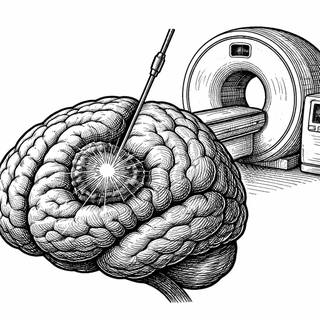
Here's where LITT gets interesting. Instead of opening up the skull like you're checking under the hood of a car, surgeons make a tiny hole (about the size of a pencil eraser) and thread in a laser fiber using MRI guidance. Think of it like the world's most high-stakes game of Operation, except the tweezers are a laser and the buzzer is... well, let's not think about that part.
Once the fiber is positioned inside the tumor, doctors fire up the laser, which heats the tissue to temperatures that would make your morning coffee jealous (we're talking 140-194°F or 60-90°C). The heat destroys the tumor cells through a process called thermal ablation, which is medical-speak for "cooking the bad stuff until it stops being bad stuff." The whole time, doctors watch on real-time MRI imaging to make sure they're hitting the target and nothing else.
The beauty of this approach? It's minimally invasive, patients typically go home within a day or two, and recovery time is measured in weeks rather than months. Compare that to traditional brain surgery, where you might be looking at longer hospital stays and recovery periods that stretch into months.
Why This Trial Matters (Besides the Cool Laser Factor)
The PNOC042 trial (NCT07506239) is specifically targeting kids, adolescents, and young adults whose LGGs have either come back or kept growing despite previous treatment. This is a population that desperately needs better options because each additional treatment carries risks and potential long-term effects.
What makes this trial particularly clever is that it's multi-institutional, meaning data will be collected from multiple centers. This isn't just one hospital trying something experimental and crossing their fingers. This is a coordinated effort to gather robust evidence about whether LITT actually works for this specific scenario. The goal? To see if this laser-based approach can effectively control these stubborn tumors while minimizing the collateral damage that comes with more invasive treatments.
If successful, this could fundamentally change how we think about treating recurrent pediatric brain tumors. Instead of seeing recurrence as a crisis requiring aggressive intervention, doctors might have a tool that's more like a precision strike: targeted, effective, and less likely to cause unintended consequences.
The Real-World Impact: Beyond the Pew-Pew Sound Effects
Let's get real for a moment. We're talking about kids here. Kids who should be worried about homework, first crushes, and whether their TikTok video is going viral, not whether their brain tumor is coming back for a sequel. Every treatment option that reduces risk, shortens recovery time, and improves quality of life is a win not just for the patient but for entire families.
LITT represents a shift toward what doctors call "minimally invasive" approaches, which is medical jargon for "let's try not to mess things up more than necessary." For young patients, this could mean less time in hospitals, fewer long-term cognitive effects, and more time being regular kids. For parents, it could mean one less thing to lie awake worrying about at 3 AM.
The current challenge in treating recurrent LGGs is that each subsequent treatment becomes trickier. It's like trying to renovate a house that's already been renovated three times: you're working around previous changes, dealing with accumulated wear and tear, and trying not to bring the whole thing down. LITT offers a way to target the problem area without necessarily having to go through all the surrounding "construction" again.
The Bottom Line
Will LITT become the standard treatment for recurrent pediatric low-grade gliomas? That's exactly what this trial is designed to figure out. Science doesn't work on hope and good vibes alone (though both help). We need data, and that's what PNOC042 is collecting.
What we do know is that the medical community is actively pursuing better, smarter, less invasive ways to treat brain tumors in young people. And honestly? In a world that can feel pretty dark sometimes, the fact that brilliant minds are working on threading laser beams into kids' brains to save their lives is kind of amazing.
Who knows? Maybe in a few years, we'll look back at traditional brain tumor surgery the way we now look at bloodletting with leeches. (Okay, that's probably unfair to brain surgeons, who are literally miracle workers. But you get the point.)
Disclaimer: This blog post is for informational purposes only and should not be considered medical advice. The clinical trial discussed (NCT07506239) is ongoing, and treatment decisions should always be made in consultation with qualified healthcare professionals. For more information about this trial, visit ClinicalTrials.gov.