
Picture this: You’re in a bustling hospital, filled with the sounds of beeping machines and hurried footsteps. Behind the scenes, a battle is taking place that's not about healing patients but about saving our planet. Yes, folks, medical devices - the tools of modern medicine - are contributing a surprising amount to our carbon footprint. A recent systematic review published in BMJ Open adds a new layer to this story, shining a light on the environmental impact of single-use versus reusable medical devices. Spoiler alert: reusable devices often win when it comes to being eco-friendly!
The Carbon Culprit: Medical Devices
You might be thinking, “Surely, medical devices can’t be that bad for the environment.” Well, think again! According to research, medical devices account for a staggering 6-10% of the carbon footprints of national health systems. That’s like adding the equivalent of millions of cars to our roads, all revving their engines while we’re just trying to save lives. The study by Booth and colleagues dives into the nitty-gritty of medical device carbon footprints, exploring how our choices in the surgical suite can have echoes far beyond the operating table.
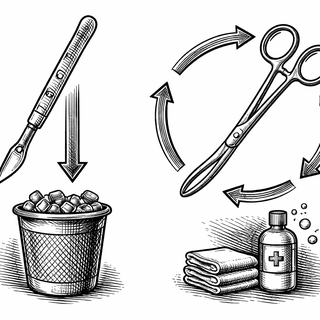
So, what’s the deal with single-use and reusable devices? As the name suggests, single-use devices are meant for just one patient and then tossed in the bin (or more accurately, the incinerator). Reusable devices, on the other hand, can be cleaned and sterilized to be used on multiple patients.
The Showdown: Single-Use vs. Reusable Devices
In their systematic review, the authors combed through over 5,000 articles, finally zeroing in on 59 studies that met their criteria. They found that while single-use devices might seem convenient - like the fast food of medical devices - their carbon footprints often outweigh the benefits. Most of the studies assessed surgical, anesthetic, and endoscopic devices, revealing that reusable devices consistently boasted lower lifecycle footprints.
It’s a bit like choosing between a single-use plastic fork and a metal one. Sure, that plastic fork is easy and quick, but you’re also contributing to that mountain of waste we see in landfills. The metal fork? You can wash it, reuse it, and give it a second life. In the world of medical devices, the same principle applies - reusables are generally the more sustainable choice.
Identifying Carbon Hotspots
One of the most fascinating aspects of this review is the discovery of "lifecycle hotspots," or the points in the device lifecycle that generate the most carbon emissions. For single-use devices, the hotspots were primarily found in production and manufacturing. Think of it this way: every time a single-use device is made, it’s like a factory belching out emissions, contributing to that carbon footprint we’re all trying to reduce.
On the flip side, the reprocessing of reusable devices - while lower in emissions overall - still presents challenges. Making sure these devices are cleaned and sterilized effectively can produce its own emissions. So, while reusables are the greener choice, there's still work to be done to make the entire process even more sustainable.
The Road Ahead: What Can Be Done?
Now, you might be wondering, "What can we do with this information?" It’s one thing to know that reusable devices are better for the environment, but how do we make this shift happen? The authors of the review call for coordinated efforts from all parties involved - policymakers, manufacturers, healthcare facilities, and providers.
- Policymakers could introduce regulations encouraging the use of reusable devices.
- Manufacturers can design devices that are easier to reprocess and use sustainable materials.
- Healthcare facilities can optimize their reprocessing methods to minimize emissions.
- Providers can prioritize reusables when making procurement decisions.
It’s a collective effort, much like a well-coordinated dance number - everyone needs to be in sync to create a beautiful performance that saves our planet!
Why This Matters to You
So, why should you care about the carbon footprints of medical devices? Well, if you’re a patient, your health is being impacted not just by the quality of care you receive but also by the environmental practices of your healthcare providers. If you're a healthcare professional, you have the power to advocate for change within your facilities and make choices that benefit both patients and the planet. And for everyone else, being aware of these issues can inspire broader conversations about sustainability in healthcare and beyond.
A Final Thought
As we navigate the complexities of modern medicine, it’s clear that our choices matter. Each decision made in the medical community has the potential to impact not just immediate health outcomes but also the long-term health of our planet. So the next time you hear about reusable medical devices, remember they’re not just about saving a buck; they’re about saving the Earth, one surgical procedure at a time.
Disclaimer: This blog post is for informational purposes only and does not constitute medical advice. Images and graphics are for illustrative purposes only and do not depict actual medical devices, procedures, mechanisms, or research findings from the referenced studies.