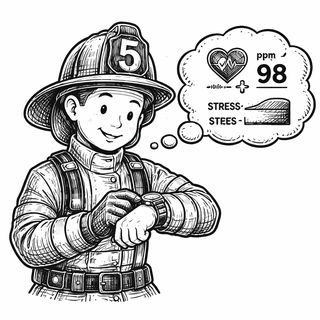
Ever watched a superhero movie where the hero barely escapes danger thanks to their high-tech gadgets? Now, imagine if those gadgets could help real-life heroes - like firefighter trainees - stay safe while they learn to battle flames. That’s the crux of a groundbreaking study from the Queensland University of Technology, which aims to bridge the gap between high-tech safety gear and the unique challenges faced by those training to fight fires. Spoiler alert: it turns out we might not be doing enough to listen to their experiences.
The Hot Seat: Why Focus on Trainees?
Think about it: firefighters are our frontline defenders against fire. But what about the newbies? Firefighter trainees are like the apprentices in an action movie; they’re eager, they’ve got the passion, but they’re also navigating a world filled with risks. With higher fatality rates among trainees than seasoned professionals, understanding their safety experiences is paramount.
This systematic review, which combed through a whopping 754 articles before narrowing it down to 13 relevant studies, discovered that much of the existing research focuses on career firefighters. But what about the rookies who are still figuring out the ropes (or hoses, in this case)? Their experiences are a treasure trove of knowledge, one that could significantly shape the design of wearable technology.
The Wearable Frontier: What’s in a Design?
As someone who has tried (and failed) to assemble IKEA furniture, I can tell you that design matters. The same is true for wearable technology. Imagine strapping on a piece of tech that not only looks cool but also monitors your heart rate, temperature, and stress levels while you’re in the thick of a training session. That’s the dream! But here’s the kicker - only 46% of the studies reviewed actually addressed the specific needs of firefighter trainees.
This review emphasizes the importance of creating a structured needs-analysis model that integrates trainees' safety experiences into the design process of wearables. The goal is to identify not just the data we want to collect, but also how and where we collect it. Placement matters - think about how awkward it would be to wear a smartwatch on your ankle while you’re trying to climb a ladder.
Collaboration Station: The Power of Teams
If there’s one thing I’ve learned from team projects (that often led to hilarious disasters), it’s that collaboration is key. The review highlights that developing effective wearables requires a team effort, combining insights from designers, engineers, manufacturers, and - most importantly - trainees themselves.
Imagine a brainstorming session where everyone is throwing ideas around like confetti. Designers can create futuristic, user-friendly gadgets, engineers can ensure they’re functional, and trainees can provide feedback on how the tech performs in real-world training scenarios. When you have all the stakeholders at the table, you not only get better designs but also better safety outcomes.
Beyond the Data: Understanding the Human Element
While numbers and data are super important (cue the glasses-wearing nerds), this study reminds us that there’s a human element that can’t be ignored. Firefighter trainees go through emotional and social experiences that shape their training but aren’t often captured in research. The review finds that emotional experiences are well-studied, cognitive and behavioral aspects get some attention, but physical and psychological needs often fall flat.
Think of it like a sandwich - if you focus only on the bread (the data) and forget about the delicious fillings (the human experiences), you’re left with a pretty unappetizing meal.
embedding emotional and psychological insights into wearable tech design, we can create devices that not only monitor physical parameters but also help trainees manage the stress of their demanding training environment. Imagine a wearable that gives a gentle nudge when stress levels spike, or even offers a few relaxing breathing exercises. Now you’re talking!
The Bigger Picture: Why This Matters to Everyone
At the end of the day, this research isn’t just for firefighter trainees or those in the firefighting community. It speaks to anyone interested in the intersection of technology and human needs. Whether you’re a parent worried about your child's safety during sports or just a tech enthusiast, this study has implications for us all. We live in a world where wearable technology is becoming increasingly ubiquitous, so understanding how to make it work for specific populations is vital.
Moreover, the insights from this research could lead to better emergency response training in other high-risk professions - think construction workers, paramedics, or even military personnel. When we prioritize safety in training, we’re not just saving lives; we’re also paving the way for a more innovative and responsive tech landscape.
So, the next time you see a firefighter in action, remember the hard work that goes into their training and the potential of wearables to enhance their safety. With a little creativity and collaboration, we can ensure our heroes are equipped not just with courage, but with the best technology to keep them safe.
Disclaimer: This post is based on a systematic review and is intended for informational purposes only. Always consult professionals for specific advice and information. Images and graphics are for illustrative purposes only and do not depict actual medical devices, procedures, mechanisms, or research findings from the referenced studies.