
Imagine walking into a hospital and being greeted not just by healthcare professionals, but by an eco-friendly atmosphere where medical imaging equipment is powered by renewable energy, and the air smells a little less like... well, hospital. That’s not a scene from a futuristic movie; it’s what the latest research on circular economy practices in radiography suggests could be our reality. In a recent narrative review, researchers have highlighted how integrating sustainable methods in medical imaging can reduce waste, extend equipment lifespans, and ultimately make healthcare greener for all of us.
What’s the Big Deal About Circular Economy in Radiography?
You might be wondering, why should I care about circular economy practices in something as specific as radiography? Well, let’s break it down. The healthcare sector, especially radiography, is a heavy hitter when it comes to energy consumption and electronic waste (or e-waste, as the cool kids say). Think of it like this: every time you get an X-ray or MRI, that fancy machine isn’t just taking pictures of your insides; it's also consuming tons of resources and creating a heap of waste.
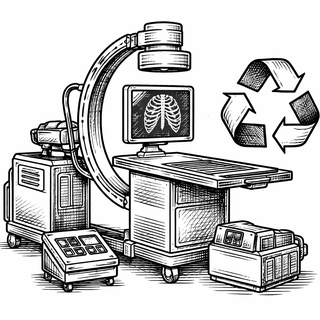
According to the research, the transition to a circular economy in radiography could alleviate some of that burden. Circular economy principles focus on reducing waste, keeping products in use longer, and promoting recycling. The idea is to create a system where resources are reused and repurposed instead of being chucked in the landfill. This isn’t just good for Mother Earth; it also means more cost-effective and efficient healthcare for all of us.
The Findings: Innovations That Will Make You Say “Wow!”
The review analyzed a variety of studies and papers to identify trends and innovations in sustainable medical imaging. The findings are impressive, showcasing how hospitals and clinics are stepping up their game.
For starters, sustainable equipment design is becoming the norm. Picture modular components that can be easily upgraded instead of entire machines being tossed out when they become outdated. This could extend the lifespan of imaging equipment by a staggering 30-50%. Who wouldn’t want to use a top-notch machine without shelling out for a brand-new one every few years?
Then there’s artificial intelligence (AI). This isn’t just the stuff of sci-fi anymore; AI-driven imaging solutions can cut scan times by up to 50% and reduce energy consumption by a whopping 25-40%. Imagine breezing through your medical imaging appointment faster than your last café run - while saving energy!
But let’s not kid ourselves. The transition to these greener practices is not all sunshine and rainbows. There are significant barriers to overcome, such as regulatory red tape and cost constraints. However, with innovations like AI and modular upgrades, the future is looking bright.
Why This Matters to You and Me
You might think, “This is all great for hospitals, but how does it impact my life?” Well, if we can make radiography more sustainable, it could lead to lower healthcare costs in the long run. When hospitals save money on energy and equipment, those savings can be passed on to patients. Plus, fewer emissions mean cleaner air and a healthier planet for everyone.
So, next time you step into an imaging suite, just remember: that machine might be doing more than just taking pictures of your bones. It could be part of an eco-friendly initiative designed to make healthcare a little less harmful to our planet.
The Path Forward: Getting Everyone on Board
The research doesn’t just highlight the benefits; it also lays out the roadmap for how we can get there. To make this transition happen, several immediate actions are needed. First, manufacturers need to establish take-back programs for old equipment - kind of like a “buy-back” program for your old gadgets. This could significantly reduce e-waste.
Next, implementing energy-efficient protocols can pave the way for hospitals to adopt greener practices. Lastly, developing a specialized recycling infrastructure for medical devices is essential to ensure that materials are properly processed and reused.
It’s a collective effort, and as patients, healthcare professionals, and policymakers, we all have a role to play in promoting these changes.
In the end, embracing circular economy practices in radiography isn’t just about being trendy or eco-conscious; it's about creating a sustainable future for healthcare that prioritizes both patient care and environmental responsibility. And who wouldn’t want to be part of that?
Disclaimer: The information in this blog post is for educational purposes only and should not be considered medical advice. Always consult a healthcare professional for medical concerns.
Citation: David-Olawade AC, Rotifa OB, Ijiwade J, et al. Advancing circular economy practices in radiography: a narrative review of sustainable medical imaging. Transl Cancer Res. 2025 Nov 30;14(11):8176-8200. doi: 10.21037/tcr-2025-1695