
Picture this: a world where the sun shines a little brighter, laughter floats through the air like confetti, and everyone understands that taking care of a loved one with dementia involves more than just medication and memory games. Sounds idyllic, right? Well, recent research is giving us a peek into that world. A paper published in Alzheimer's & dementia: the journal of the Alzheimer's Association dives into the complex intertwining of dementia care and psychosocial factors, shedding light on how we can make life a little easier for those living with dementia and their caregivers.
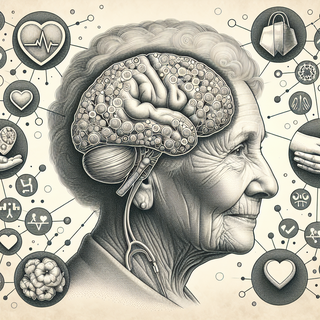
When It Takes a Village (or at Least a Really Good Support Group)
One of the most enlightening aspects of this research is the recognition that caring for someone with dementia goes beyond the medical realm. Think of it like baking a cake. Sure, you need the right ingredients - flour, sugar, eggs - but you also need the right environment (a cozy kitchen, perhaps a little music in the background) and the right techniques (mixing, baking, frosting). Just as a cake comes together through a perfect blend of elements, dementia care flourishes in an atmosphere that supports both the patient and the caregiver.
Support systems play a crucial role in providing care that is both effective and compassionate. The research points to how psychosocial factors - like social support, emotional well-being, and community engagement - have a considerable impact on the quality of care. Imagine being part of a neighborhood that rallies around its members, offering help, love, and a warm casserole when times get tough. This communal approach can significantly enhance the well-being of caregivers, helping them avoid burnout and stay engaged with their loved ones.
The Power of Connection
Have you ever felt a little off, and a simple chat with a friend turned your day around? That’s the power of connection! The research highlights how emotional connections can have a profound impact on individuals living with dementia. Social interactions can help trigger memories and provide comfort, much like the way a familiar song can transport you back to a specific time and place.
Engagement with peers and family members doesn’t just help in the moment - it can also lead to long-term cognitive benefits. The study suggests that fostering connections - be it through family gatherings, community events, or even virtual hangouts - can create a stimulating environment for those affected by dementia. It’s like watering a plant; the more you nurture it, the more it thrives.
Caregivers: The Unsung Heroes
If there’s one thing this research drives home, it's that caregivers are the unsung heroes in the dementia care narrative. Often working tirelessly behind the scenes, they juggle daily responsibilities and emotional labor that can be overwhelming. Think of a caregiver as a superhero without a cape, managing not only the physical care of their loved ones but also their emotional needs.
This study underscores the importance of supporting caregivers as much as we support those with dementia. Providing resources like counseling, respite care, and practical training can help caregivers feel empowered rather than overwhelmed. Imagine giving the superhero a sidekick; it’s all about teamwork. When caregivers feel supported, everyone benefits. Less stress for them means more meaningful interactions with those they care for - it's a win-win situation!
The Ripple Effect on Society
Now, you might be wondering why all of this matters to someone who isn’t currently involved in dementia care. Consider this: as our population ages, the likelihood of encountering dementia in our families and communities increases. By understanding the psychosocial factors at play, we can foster a society that values compassion and support for everyone.
The implications of this research reach far beyond individual families. By investing in community programs, training for caregivers, and initiatives that promote emotional well-being, we can create a culture that prioritizes the quality of life for all involved. It’s like planting seeds for the future - a little effort today can lead to a thriving garden of support.
Final Thoughts
So next time you hear about dementia care research, remember it's not just about medications or cognitive exercises. It’s about weaving a rich tapestry of support, connection, and community. The findings from this study remind us to look beyond the clinical aspects and recognize the human experience at the heart of it all. Whether you’re a caregiver, a family member, or just a passerby, there’s a role for all of us in making the world a kinder place for those affected by dementia.
Disclaimer: This blog post is for informational purposes only and should not be taken as medical advice. Always consult with healthcare professionals for concerns regarding dementia care or treatment. Images and graphics are for illustrative purposes only and do not depict actual medical devices, procedures, mechanisms, or research findings from the referenced studies.
Citation:
Dementia Care Research and Psychosocial Factors. Alzheimer's & dementia: the journal of the Alzheimer's Association. DOI: 10.1016/j.jalz.2022.01.012