
I'll be honest, when I first read this title, I thought it was going to be another study telling me that older people in nursing homes are at risk for bedsores. Groundbreaking stuff, right up there with "water is wet" and "hospital food isn't great." But then I actually read the thing, and here's where it gets interesting - it's not just about being old and immobile. It's about the tubes.
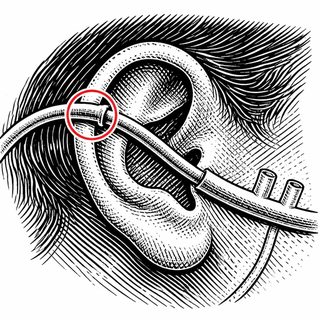
Yes, the tubes. And the wires. And the catheters. And all those medical devices we stick on, in, and around elderly patients because we're trying to keep them alive. Turns out, every single one of those gadgets is essentially a tiny pressure injury factory working overtime.
The Numbers That Made Me Put Down My Coffee
A research team in Sri Lanka followed 210 nursing home residents over 12 weeks, and 17.1% of them developed new pressure injuries during that time. That's roughly one in six people developing what we used to call bedsores - though calling them that really undersells how nasty these wounds can get. We're talking about tissue damage that can go all the way down to the bone if left unchecked.
But here's the kicker that actually surprised me: the two biggest predictors of who would develop these injuries weren't what you might expect. It wasn't just about how much the person moved (or didn't move). It wasn't primarily about nutrition status or age.
It was medical devices and whether they already had a pressure injury.
The 2.3x Multiplier Nobody Warned You About
Each additional medical device - we're talking oxygen tubing, urinary catheters, feeding tubes, IV lines - increased the likelihood of developing a pressure injury by 2.3 times. Let that sink in for a second.
Grandma has a catheter? Her risk just went up. Add some oxygen tubing? Multiply again. Throw in a feeding tube because she's having trouble swallowing? You're now looking at someone whose pressure injury risk has compounded faster than my student loan interest.
The mechanism here is painfully straightforward once you think about it. Every tube, wire, and device creates a point where something hard is pressing against soft tissue. Oxygen cannulas dig into the backs of ears and the skin beneath the nose. Catheters create pressure points. Feeding tubes press against nostrils. And when you're lying in a bed or sitting in a wheelchair for extended periods, you can't easily shift away from these pressure points like you would if you were, say, adjusting your sitting position because your jeans pocket is uncomfortable.
The Vicious Cycle of Skin Breakdown
The second major finding was equally concerning but perhaps more intuitive: if you already have a pressure injury, you're 2.1 times more likely to develop another one. This creates a particularly nasty feedback loop.
Once the skin starts breaking down, the body is essentially announcing that its defenses are compromised. The same conditions that led to the first injury - reduced mobility, impaired sensation, poor circulation, malnutrition - are still present and often worsening. It's like having one flat tire and being surprised when the other three start looking iffy.
Why This Study Actually Matters
Now, I know what you're thinking. This is a study from Sri Lanka - how does it apply to nursing homes elsewhere? Fair question. But pressure injuries are remarkably democratic in their assault on elderly populations worldwide. The underlying physiology doesn't care about geography. Skin under pressure loses blood flow, tissue dies, wounds form. It happens in Colombo, Columbus, and Copenhagen.
What makes this research valuable is its focus on modifiable risk factors. We can't make people younger. We can't always improve their mobility. But we can be a lot smarter about how we manage medical devices.
Think about it from a nursing home staff perspective. Instead of treating every resident as equally at risk (which often means nobody gets adequate prevention), this study gives clear marching orders: count the devices, check for existing injuries, and focus your prevention efforts there.
The Prevention Playbook
The researchers suggest that accurate risk assessment should drive preventive strategies. This sounds obvious until you realize how often it doesn't happen. Pressure injury prevention isn't complicated, but it is labor-intensive. It means repositioning patients every two hours. It means specialized mattresses and cushions. It means meticulous skin care and moisture management. It means checking under every single tube and wire for early signs of damage.
When staff know that Mrs. Chen with three medical devices needs way more attention than Mr. Silva with none, resources can be allocated accordingly. It's not about working harder - it's about working smarter.
The Bigger Picture
Pressure injuries in nursing home residents aren't just uncomfortable - they're expensive, dangerous, and often preventable. These wounds can become infected, lead to sepsis, require surgical intervention, and significantly increase mortality risk. They're also considered a marker of care quality, which is why regulatory bodies track them closely.
The fact that we now have solid evidence linking device burden to pressure injury risk gives clinicians and administrators a concrete target. Every device should be evaluated for necessity. Is that catheter still needed, or has it just become part of the furniture? Could the oxygen delivery method be modified to reduce facial pressure? Is there a way to secure that feeding tube that doesn't involve it pressing against the same patch of skin 24/7?
What This Means For Families
If you have a loved one in a nursing home, this research gives you specific questions to ask. How many medical devices does Mom have? What's being done to prevent pressure from those devices? Has she been assessed for pressure injury risk, and how often is that assessment updated?
These aren't confrontational questions - they're the kind of informed inquiry that good facilities welcome and bad facilities need.
The bottom line is this: medical devices save lives, but they also create risks that need active management. A 12-week study in Sri Lanka just gave us the clearest evidence yet that the more tubes you've got, the more vigilant everyone needs to be.
And that's not depressing news - that's actionable information. Which, in medicine, is worth its weight in gold.
This blog post discusses research findings and should not be taken as medical advice. If you have concerns about pressure injuries or nursing home care for a loved one, please consult a healthcare provider. Research discussed here represents ongoing scientific investigation and clinical validation is still in progress.
All images used in this post are decorative illustrations only and do not represent or reflect the accuracy, reality, or correctness of the referenced research.
Primary Source: Predictors of Pressure Injuries in Older Residents Living in Nursing Homes in Sri Lanka: A Prospective Multi-Site Cohort Study. 2025. DOI: https://pubmed.ncbi.nlm.nih.gov/40556478/