
What does it mean to recover from depression? Is it the absence of sadness, or the return of something far more elusive - the ability to feel joy, to want things, to imagine a future worth waking up for? For millions of people worldwide, depression isn't a bad week or a rough patch. It's a thief that steals motivation, connection, and hope itself. And here's the truly maddening part: for a significant chunk of those people, the treatments we have just... don't work very well.
So when a research team at the University of North Carolina decides to test whether they can meaningfully treat depression in a single session, well, my ears perk up like a golden retriever who just heard the word "walk."
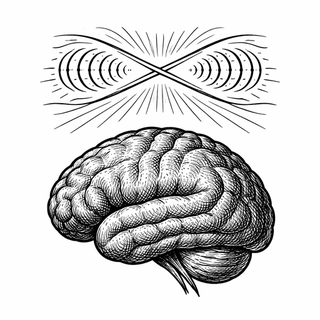
The CARED Protocol: Depression Treatment Gets a Turbo Boost
The Carolina Recovery From Depression Protocol (CARED) is currently recruiting participants for a clinical trial that sounds like it was designed by scientists who got tired of the glacial pace of traditional depression treatment. The study (NCT07507370) is testing a novel approach: combining non-invasive brain stimulation with psychotherapy - all delivered in one intensive session.
Let that sink in for a moment. One session.
Traditional treatment for Major Depressive Disorder typically involves weeks or months of antidepressant medications (which can take 4-6 weeks to show effects, if they work at all), ongoing psychotherapy sessions, or both. It's a marathon, not a sprint. And for treatment-resistant patients - the folks for whom standard approaches have already failed - the journey can feel like running that marathon uphill, in the rain, while someone keeps moving the finish line.
The CARED trial is essentially asking: what if we could compress effective treatment into something closer to a sprint?
The Science Sandwich: Brain Zaps Meet Talk Therapy
Here's where things get deliciously nerdy. The intervention combines three elements in what I can only describe as a therapeutic power trio:
Intermittent Theta Burst Stimulation (iTBS): This is a form of Transcranial Magnetic Stimulation (TMS) that uses magnetic pulses to stimulate specific brain regions. Think of it as a gentle electromagnetic nudge to the parts of your brain that regulate mood. iTBS is the caffeinated younger sibling of traditional TMS - it delivers stimulation in quick bursts rather than continuous pulses, making it faster and potentially more effective.
Transcranial Alternating Current Stimulation (tACS): This technique uses low-level electrical currents to influence brain activity. The trial will compare active tACS against sham (placebo) stimulation to see if adding this second form of brain modulation enhances the treatment effect.
Psychotherapy: Because sometimes the brain needs more than just electrical encouragement - it needs someone to help rewire the thought patterns that keep depression locked in place.
The genius here is the combination. Brain stimulation may temporarily increase neuroplasticity - the brain's ability to form new connections and patterns. Delivering psychotherapy during this window of enhanced plasticity could potentially make therapeutic insights "stick" better. It's like trying to write in wet cement versus dried concrete. Timing matters.
Why Single-Session Interventions Are Having a Moment
The concept of single-session interventions (SSIs) has been gaining traction in mental health research, and for good reason. Traditional models assume that meaningful psychological change requires extended treatment, but emerging evidence suggests that sometimes, concentrated interventions can produce lasting effects.
This isn't about cutting corners or providing inferior care. It's about recognizing that the current system leaves too many people behind. Treatment-resistant depression affects roughly 30% of people with MDD. These are individuals who have tried medication after medication, therapy approach after therapy approach, often for years. They deserve innovation, not just "keep trying the same things that haven't worked."
There's also a practical dimension here that we shouldn't ignore. Extended treatment requires time, money, reliable transportation, childcare arrangements, and the executive function to keep showing up - all things that depression itself makes harder to manage. A single-session approach could potentially reach people who would otherwise fall through the cracks of our fragmented mental health system.
What the Trial Actually Looks Like
The CARED study is recruiting 30 participants with Major Depressive Disorder who have mild to moderate symptoms and haven't responded well to typical treatments. This is a small feasibility study, which means the primary goal is to determine whether this approach is practical and tolerable before scaling up to larger efficacy trials.
Participants will be randomized to receive either active or sham tACS alongside the iTBS and psychotherapy components. This design allows researchers to isolate whether the tACS component adds meaningful benefit beyond the other interventions.
The study is being conducted at the University of North Carolina, adding to that institution's growing portfolio of innovative depression research.
The Bigger Picture: Rethinking How We Treat the Mind
What excites me most about this research isn't just the potential for faster treatment - it's the philosophical shift it represents. For too long, we've treated mental health care as fundamentally different from other medical interventions. You wouldn't expect a broken arm to heal through 16 weekly sessions of gradual casting. So why do we assume the brain can only change at a snail's pace?
Of course, depression is far more complex than a broken bone (the brain is, after all, the most complicated object in the known universe, and it has the audacity to be the organ we use to study itself). But the assumption that meaningful change requires months or years of treatment may say more about our historical limitations than about what's actually possible.
Research like the CARED protocol pushes us to question our assumptions. Can we enhance the brain's natural capacity for change? Can we create therapeutic experiences intense enough to shift entrenched patterns in hours rather than months? And perhaps most importantly - can we bring effective treatment to the millions of people currently suffering without adequate care?
I don't know if this particular trial will succeed. That's what the research is for. But I love that someone is asking these questions, because the people living with treatment-resistant depression can't afford for us to stop innovating.
And honestly? The idea that recovery might begin in an afternoon rather than unfold over years? That's the kind of hope worth studying.
Disclaimer: This blog post is for informational purposes only and does not constitute medical advice. Clinical trials are research studies, and outcomes are not guaranteed. If you are experiencing depression, please consult with a qualified healthcare provider about appropriate treatment options. The trial discussed is actively recruiting - interested individuals should review eligibility criteria and discuss participation with their physician.
Clinical Trial Reference: The Carolina Recovery From Depression Protocol (CARED): A Novel Rapid Treatment Paradigm for Depression. ClinicalTrials.gov Identifier: NCT07507370