
Most people assume that once you leave the hospital with a diabetes diagnosis and a bag of insulin supplies, you've got everything you need to manage your blood sugar at home. Just prick your finger a few times a day, check the numbers, adjust accordingly, and you're golden. It's like following a recipe, right?
But here's what actually happens: You get home, you're exhausted, you're probably still recovering from whatever landed you in the hospital in the first place, and suddenly you're expected to become a one-person blood glucose surveillance team. Armed with nothing but a lancet and determination, you're supposed to catch all the highs and lows in your blood sugar - which is a bit like trying to monitor a pot of sauce by only tasting it four times a day. You might catch the moment it's perfect, or you might catch it after it's already burned to the bottom.
The Post-Discharge Problem Nobody Talks About
Here's a dirty little secret in healthcare: the transition from hospital to home is where things frequently fall apart. In the hospital, you've got nurses checking on you, doctors adjusting your medications, and an entire system designed to keep your blood sugar in a reasonable range. Then you're discharged, handed some instructions, and sent on your way like a soufflé being transported across a pothole-filled road.
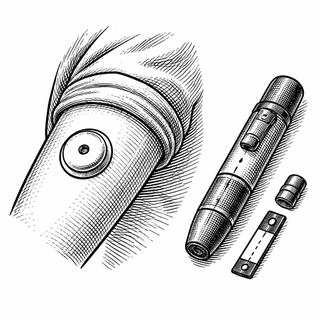
For patients with type 2 diabetes or steroid-induced diabetes who are newly starting insulin therapy, this transition is particularly treacherous. Insulin dosing isn't like adding salt to taste - get it wrong, and you're looking at dangerous hypoglycemia or persistent hyperglycemia that can lead to readmission. Studies have consistently shown that the first few weeks after hospital discharge represent a high-risk period for diabetes-related complications.
A New Trial Takes on the Challenge
A clinical trial now recruiting participants (NCT07510386) is asking a straightforward question: What if we gave discharged patients a continuous glucose monitor instead of just sending them home with the traditional finger-stick routine?
The study, titled "Continuous Glucose Monitoring for Post-discharge Diabetes Management," is a randomized controlled trial comparing two approaches for patients discharged on insulin therapy. The intervention group gets to use the Libre 3 Plus continuous glucose monitoring system - a small sensor worn on the arm that tracks glucose levels around the clock. The control group wears a blinded CGM (meaning they can't see the data) and relies on traditional fingerstick monitoring.
Both groups wear the sensor for 28 days post-discharge and participate in telehealth diabetes management visits. The study aims to enroll 65 participants, with each person involved for up to 35 days.
Why CGM Might Be the Missing Ingredient
Continuous glucose monitors have revolutionized diabetes management for many patients, particularly those with type 1 diabetes. Instead of getting a few snapshots per day, CGM provides a continuous stream of data - think of it as the difference between taking four photographs of your dinner and having a live video feed of the entire cooking process.
This matters because blood sugar doesn't just sit still. It rises after meals, drops with exercise, spikes from stress, and does all sorts of unexpected things throughout the day and night. Traditional fingerstick monitoring catches maybe four to six moments out of the 1,440 minutes in a day. CGM catches them all.
For newly discharged patients learning to manage insulin, this additional information could be transformative. Instead of discovering at your next fingerstick that your blood sugar has been running high all morning, you can see it trending upward in real-time and take action. It's like having a thermometer that tells you the oven is getting too hot before your bread burns, rather than finding out when you smell smoke.
The Telehealth Twist
What makes this trial particularly interesting is the integration of telehealth visits into both arms of the study. This isn't just about the technology - it's about combining continuous monitoring with ongoing clinical support during that vulnerable post-discharge period.
Think of it as having a cooking coach on video call while you're making your first Thanksgiving turkey. The CGM provides the real-time temperature data, and the telehealth visits provide the expert guidance on what to do with that information. Neither component alone might be sufficient, but together they could create a safety net that catches patients before they fall into serious glycemic trouble.
The Real-World Stakes
If this trial demonstrates that CGM improves outcomes for patients discharged on insulin, the implications could reshape post-discharge diabetes care protocols. Currently, CGM is often seen as a tool for established diabetes patients who have been managing their condition for years. The idea of using it as a transitional tool for newly diagnosed or newly insulin-dependent patients is relatively novel.
The potential benefits extend beyond just better blood sugar control. Hospital readmissions are expensive - for patients, for healthcare systems, and for insurers. If a relatively inexpensive sensor worn for a month can reduce readmission rates, the economic argument becomes compelling even before you factor in the improved quality of life for patients.
There's also the education factor. Patients who can see how their blood sugar responds to different foods, activities, and stressors in real-time may develop better intuitions for managing their diabetes long-term. It's one thing to be told that white bread spikes your blood sugar; it's another to watch it happen on a graph while you're still chewing.
What to Watch For
As this trial progresses, several questions will be worth tracking. How do patients adapt to wearing a CGM device for the first time during an already stressful period? Does the continuous data stream help or overwhelm newly diagnosed patients? And perhaps most importantly, do the benefits seen in the intervention group persist after the sensor comes off, or do patients revert to baseline management patterns?
The 28-day monitoring period is an interesting choice - long enough to establish patterns and build habits, but short enough to be feasible for a study of this scope. Whether that duration is sufficient to create lasting behavioral change remains to be seen.
The Bottom Line
This trial represents a practical, patient-centered approach to a known problem. We know that post-discharge diabetes management is challenging. We know that CGM technology provides better glucose data than traditional monitoring. The question is whether putting these pieces together improves outcomes for patients during one of the most vulnerable periods in their diabetes journey.
It's not a flashy gene therapy or a revolutionary new drug. It's taking existing technology and applying it thoughtfully to a gap in care. Sometimes the most impactful innovations aren't about inventing something new - they're about using what we have more intelligently.
And honestly? If we can help people navigate their first weeks on insulin without the constant anxiety of wondering what their blood sugar is doing between finger pricks, that seems like a recipe worth perfecting.
Disclaimer: This blog post is for educational and informational purposes only and does not constitute medical advice. Always consult with qualified healthcare professionals regarding medical conditions and treatment options. Clinical trial participation should be discussed with your physician.
Primary Source: ClinicalTrials.gov Identifier: NCT07510386 - "Continuous Glucose Monitoring for Post-discharge Diabetes Management"
- Study Details
- Table View