
Have you ever considered what happens to your favorite mulberry silk scarf when it’s being made? Spoiler alert: it’s not all glittering fabric and luxury. A significant byproduct, silk sericin, gets tossed aside like yesterday's takeout. But researchers are shaking up this narrative with a fascinating study that transforms this often-wasted material into groundbreaking solutions for biomedical engineering. Buckle up - this is a journey from waste to health like you've never seen before!
The Silk Story: Not Just a Pretty Face
Silk, particularly the kind that makes you feel like royalty when you wear it, has a dirty little secret: the production of silk results in a ton of leftover sericin. This sticky, gooey substance is usually tossed away, contributing to environmental waste and pollution. Imagine if anyone discarded perfectly good chocolate just because it came with a little extra frosting - crazy, right? Well, that’s exactly what we do with silk sericin.
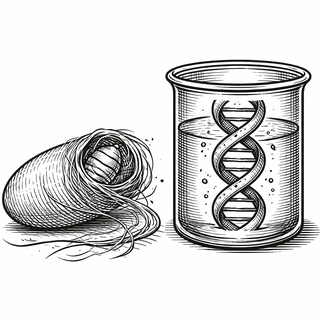
But researchers from various esteemed institutions in China, as highlighted in the paper titled Waste-to-Health Revolution: Upcycling Silk Sericin Byproducts into Circular Biomaterials for Biomedical Engineering, have come up with a dazzling idea. By optimizing extraction and purification processes, they’re turning that sticky waste into multifunctional biomaterials. Think of it as giving silk sericin a second chance, like a rescue dog finding a forever home!
The Marvelous Transformations of Silk Sericin
So, what exactly can we do with this upcycled silk sericin? Picture this: hydrogels, scaffolds, and bioinks that not only look good but also perform like champions. These materials come with a whole bag of tricks, including excellent biocompatibility and the ability to promote cell proliferation. In layman’s terms, they’re great at getting cells to do their thing - like a motivational coach for your body's repair mechanisms.
-
Wound Repair Dressings: Imagine you have a cut that just won’t heal. Traditional band-aids might feel like putting a tiny Band-Aid on a huge problem. But silk sericin-based dressings could speed up healing, making it feel like your skin is getting a VIP treatment.
-
Drug Delivery Systems: This is where things get really cool. Silk sericin can carry drugs directly to the right location in the body, sort of like an Uber driver who knows the quickest routes. This could mean better treatments for patients, with fewer side effects. Say goodbye to guessing games!
-
Tissue Engineering Scaffolds: Think of scaffolding that’s not just a construction site necessity but also a biodynamic miracle. Silk sericin scaffolds can support cell growth and tissue development, paving the way for regenerating entire organs. It's like building a new Lego set for your body!
Why You Should Care
If you're like most folks, you might be scratching your head thinking, "Why does this matter to me?" Well, besides being a lover of all things soft and luxurious, consider this: we live in a world where waste is piling up faster than you can say "recycle." The transformation of silk sericin into valuable biomaterials not only helps to reduce waste but also offers a sustainable, low-cost alternative to synthetic materials in medicine.
This research could have profound impacts on healthcare. Imagine a world where wound care is faster and more effective, drug delivery is targeted and efficient, and tissue engineering leads to breakthroughs in organ transplants. The possibilities are as exciting as a blockbuster movie with plenty of plot twists!
The Future is Bright and Sustainable
As we continue to grapple with environmental concerns and the pressing need for sustainable practices, the "waste-to-health" approach is like a refreshing breeze, blowing through the often stagnant air of biomedical research. Researchers are proving that with a little creativity and a lot of science, even the most overlooked materials can become superheroes in their own right.
So, next time you see a silk scarf or a piece of silk fabric, remember the journey it took to get to you - and how its byproducts, like silk sericin, are being transformed from waste into wondrous biomedical innovations. It’s a revolution that’s just beginning, and it’s one we all can cheer for!
Disclaimer: This blog post is intended for informational purposes only and should not be taken as medical advice.
Citation: Xia S, Yang J, Wang Z, Lu S, Wen S, Guo K, Yang L. Waste-to-Health Revolution: Upcycling Silk Sericin Byproducts into Circular Biomaterials for Biomedical Engineering. Biomacromolecules. 2025 Dec 16. doi: 10.1021/acs.biomac.5c02248