
Quick - name the last time you thought about dry hospital surfaces. I'll wait. Probably never, right? You're worried about the obviously gross stuff: bloody bandages, contaminated needles, that one guy coughing in the waiting room. But here's where infection control gets delightfully bureaucratic: the bedside table might be plotting against you.
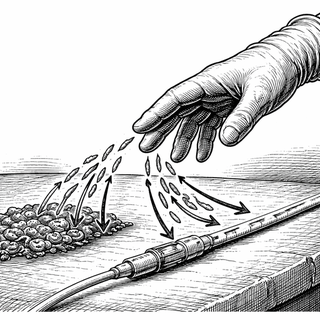
New research has uncovered a fascinating (and slightly terrifying) mechanism by which bacteria living on seemingly clean, dry hospital surfaces can hitch a ride on healthcare workers' gloves and colonize invasive medical devices. Think of it as a microscopic Uber service, except the destination is your bloodstream.
The Dry Surface Biofilm Problem Nobody Talks About
For years, infection control protocols have focused heavily on wet environments. Makes sense - bacteria love moisture like teenagers love WiFi. But researchers have increasingly noticed something peculiar: bacterial communities called dry-surface biofilms (DSBs) thriving on surfaces that appear perfectly clean and dry. These aren't your typical slimy, obviously-contaminated surfaces. They're the counter you just wiped down. The monitor stand. The IV pole.
The problem with DSBs is that they're remarkably good at playing dead. Standard cleaning protocols often miss them entirely because the bacteria hunker down in a dormant state, waiting. Waiting for what, exactly? That's where this new study gets interesting.
From Countertop to Catheter: The Transfer Experiment
Researchers designed an elegant (if slightly disturbing) experiment to trace exactly how bacteria travel from dry surfaces into invasive medical devices. They created DSBs using five different bacterial species commonly responsible for healthcare-associated infections, then systematically tested whether these organisms could transfer via gloved hands to central venous catheters, urinary catheters, and endotracheal tubes.
The results read like a bacterial travel itinerary. Methicillin-resistant Staphylococcus aureus (MRSA) - the notorious superbug - proved to be the champion hitchhiker. It successfully transferred from both dry and rehydrated biofilms to every single type of device tested. MRSA apparently doesn't care about moisture levels; it's coming for your central line regardless.
Other bacterial species were pickier travelers. Most would only transfer when the biofilm was rehydrated first, and they showed preferences for certain devices over others - particularly central catheters and endotracheal tubes.
The Zombie Bacteria Phenomenon
Here's where the study takes a turn into horror movie territory. Pseudomonas aeruginosa, another common healthcare pathogen, couldn't be cultured from any of the dry biofilms. By traditional microbiology standards, it was "dead." Standard culture plates showed nothing. The bacteria weren't growing.
But when researchers rehydrated those biofilms, P. aeruginosa suddenly appeared on endotracheal tubes and urinary catheters. Using Live/Dead staining (exactly what it sounds like - a test that distinguishes living from dead cells), they confirmed the bacteria had been alive the whole time. They were just... dormant. Hiding. Playing possum at a microscopic level.
This "viable but non-culturable" (VBNC) state is basically the bacterial equivalent of suspended animation. The organisms maintain enough metabolic activity to survive but don't reproduce on standard culture media. From an infection control standpoint, this is a nightmare scenario: your cultures come back negative, you assume the surface is safe, and meanwhile tiny bacterial sleeper cells wait for their moment.
Why Rehydration Is the Wake-Up Call
The study suggests rehydration acts as a kind of alarm clock for dormant bacteria. When moisture returns - through cleaning (irony alert), patient contact, or environmental humidity - these VBNC organisms can "wake up" and become transferable again. They also appear to adhere better to gloved fingers when hydrated, making them more likely to catch a ride to the next patient.
This creates an uncomfortable paradox for infection control. Wet cleaning is generally considered more effective than dry cleaning. But if you're dealing with dry-surface biofilms containing dormant bacteria, adding moisture might temporarily increase the transfer risk. It's like trying to remove a wasp nest by shaking it - technically you're doing something, but maybe not the right something.
What This Means for Hospital Policy
The practical implications here involve rethinking some fundamental assumptions about surface contamination. Current cleaning validation often relies on surface cultures, but if bacteria can exist in a non-culturable state, negative cultures don't necessarily mean safe surfaces. The absence of evidence is not evidence of absence, as the epidemiologists like to say (usually while adjusting their glasses dramatically).
This research suggests infection prevention strategies need to account for:
- The existence of dormant bacterial populations that won't show up on standard tests
- The role of rehydration in "resuscitating" seemingly dead organisms
- Device-specific transfer risks - not all devices are equally susceptible
- Glove hygiene as a critical interruption point in the transmission chain
The good news is that glove changes remain effective. The bacteria need that gloved-hand bridge to complete their journey. Proper hand hygiene and glove protocols can still break the chain, even if we can't always detect what we're protecting against.
The Regulatory Rabbit Hole
From a policy perspective, this opens fascinating questions about cleaning validation standards. If you can't culture it, how do you prove it's gone? The FDA and CDC may need to revisit guidance on acceptable surface contamination levels, potentially incorporating molecular methods that can detect dormant organisms. Expect exciting committee meetings in your future, infection preventionists.
The research also highlights the need for device manufacturers to consider biofilm-resistant materials and surfaces. If bacteria can establish themselves on devices within hours of contact, perhaps the devices themselves need to be less hospitable hosts.
The Bottom Line
Next time you're in a hospital and you see that gleaming, freshly-wiped bedside table, remember: it might be hosting an invisible population of bacteria in biological suspended animation, waiting for a drop of moisture and a passing glove to wake them up and send them on their way. Sweet dreams.
The good news is that awareness of this problem is growing, and researchers are actively investigating how to detect and eliminate these stealth bacterial populations. In the meantime, if you're a healthcare worker, change those gloves. And if you're a patient, it's perfectly reasonable to ask your care team about their hand hygiene practices. They won't think you're paranoid. Well, they might, but you'll be correctly paranoid.
This blog post discusses research findings and should not be taken as medical advice. If you have concerns about healthcare-associated infections, please consult a healthcare provider. Research discussed here represents ongoing scientific investigation and clinical validation is still in progress.
All images used in this post are decorative illustrations only and do not represent or reflect the accuracy, reality, or correctness of the referenced research.
Primary Source: From one biofilm to another: when bacteria from dry-surface biofilms settle in invasive medical devices. PubMed. 2025. PMID: 41692224