
Ever had that moment when you walk into a room and forget why you went in there? It’s like your brain is running on dial-up internet in a world of fiber optics. Now, imagine this happening on a much larger - and much more concerning - scale. Alzheimer’s disease is like a sneaky thief in the night, slowly robbing people of their memories and identities. But what if I told you there’s fresh research that’s shedding light on the basic science behind it? Spoiler alert: it’s not your grandma’s science class.
Let's break down some of the latest findings published in Alzheimer's & Dementia: The Journal of the Alzheimer's Association that might just change how we think about Alzheimer's and its pathogenesis.
What’s the Buzz About Basic Science?
At first glance, “basic science” might sound like a boring subject from high school biology. But hold on! Researchers are taking a closer look at what goes wrong in the brain that leads to Alzheimer’s. Think of it as peeling an onion - layer by layer, the more we understand the core issues, the better equipped we are to tackle them.
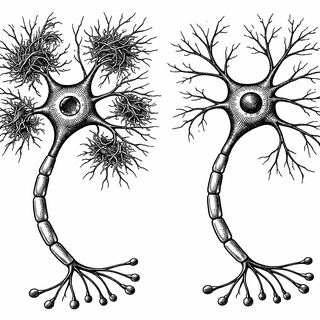
This research dives into the biochemical gang of troublemakers that contribute to Alzheimer’s. We’re talking about proteins, neurons, and all the tiny components that, when functioning properly, keep our brains sharp as a tack. But when these elements start to misbehave, that’s when the chaos begins. Imagine a team of soccer players suddenly forgetting how to play the game - they start kicking in all the wrong directions. Not good!
The Research Rundown
So what exactly did the researchers figure out in this paper? Well, they put on their detective hats and started examining the interactions between various biological processes. They tackled how certain proteins, like tau and amyloid-beta, get tangled up in neurons, causing a ruckus. It’s like a traffic jam on the highway of your mind - everything slows down, and eventually, some exits are missed entirely.
The study dives into the underlying mechanisms that lead to the formation of these messy protein clumps, which are like that pile of laundry you keep meaning to fold but never get around to. If left unchecked, these clumps can lead to cell death and, ultimately, memory loss. Yikes!
But here's the kicker: understanding these processes opens up new avenues for potential treatments. If we can pinpoint where the breakdown happens, we can start finding ways to fix it - like a mechanic tuning up your car before it breaks down on the highway.
Why Should You Care?
You might be wondering, “Okay, but why should I care about some proteins and what they’re doing in my brain?” Well, my friend, unless you have a crystal ball showing you a future with Alzheimer’s, you probably want to know how to keep your mind as sharp as a tack well into your golden years.
With over 6 million Americans living with Alzheimer’s, this isn’t just a research paper collecting dust on a shelf. The findings from this study could pave the way for new therapies and preventive measures that could help millions maintain their cognitive abilities longer. Imagine a world where you can remember where you parked your car, or know the name of your new neighbor without having to Google it! Sounds dreamy, right?
Real-World Impact: From Research to Reality
Now, let’s talk about the potential real-world impacts of this research. By unlocking the secrets of Alzheimer’s pathogenesis, we're not just getting a glimpse into how the disease develops. We’re opening the door to groundbreaking treatments. Researchers are already dreaming up ways to target those troublesome proteins before they start causing chaos, and who knows? Maybe one day, we’ll have a vaccine or a pill that can help prevent Alzheimer’s altogether.
This research could also influence lifestyle changes and public health policies. If we can identify risk factors associated with the disease, we could better inform the public about how diet, exercise, and even social engagement play a role in brain health. It’s like being handed the manual to your brain - it doesn’t come with a guarantee, but it sure helps you understand how to keep things running smoothly.
The Power of Understanding
At the end of the day, understanding the basic science behind Alzheimer’s isn’t just for scientists in lab coats. It's for everyone. As we continue to unravel the complexities of this disease, we’re not just hoping for a cure; we’re fostering a culture of awareness and prevention. And that’s something we can all get behind.
So, the next time you forget where you left your keys, remember - your brain is working hard to keep you functioning, and research like this is paving the way for a brighter future.
Disclaimer: This blog post is for informational purposes only and is not intended to be a substitute for professional medical advice, diagnosis, or treatment. Always seek the advice of your physician or other qualified health