
Picture this: you’re playing your favorite weekend sport, feeling like a champ, and then - boom! You hit the ground harder than a caffeinated squirrel on a power line. Now you’re faced with the dreaded visit to the hospital, where you’ll likely encounter an X-ray machine and a hefty bill. But what if there was a simpler, more affordable way to figure out if that bone is broken? Spoiler alert: there just might be.
A recent study published in Scientific Reports introduces a revolutionary device that could change the way we detect fractures. Researchers Brajesh K., Mahmood M. Aldobali, Kirti Pal, and Mohammed Khan have developed a portable, non-invasive segmental bioelectrical impedance analysis (BIA) device that could make the whole fracture-detection process as easy as pie - or at least, easier than waiting for a doctor to read your X-ray results!
From X-Rays to Impedance: A Tech Upgrade
Now, let’s take a moment to understand what bioelectrical impedance analysis actually is - because I know it sounds like something straight out of a sci-fi movie. Imagine your body as a complex electrical circuit. Just like how a battery can power a flashlight, our bodies conduct electricity through various tissues. When you measure how easily that electricity flows through, you can get insights about the health of those tissues.
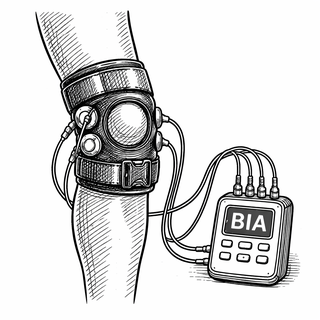
This new BIA device uses a four-electrode configuration and leverages an impedance converter called the AD5933. Think of it as a high-tech stethoscope that listens to the electrical signals in your knee. By applying a tiny current, the device measures changes in impedance and phase angle during different stages of a fracture and healing. It’s kind of like getting a weather report for your bones!
Field Testing: Real Patients, Real Results
To ensure that this new device isn’t just a fancy gadget, the research team put it through rigorous testing. They validated its performance with standard resistive and capacitive components - no one wants a device that can’t do what it says it can! The result? Measurement errors typically under 7%, which is pretty impressive.
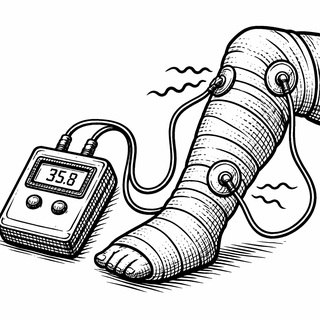
But numbers don't mean much without real-world application. So, the researchers collected data from 125 patients with fractures, monitoring 20 of those patients who had knee fractures over time. They found clear differences in impedance and phase angle before and after healing. Imagine being able to watch your knee’s recovery like a Netflix series, with real-time updates on how your bone is mending!
Making Healthcare More Accessible
Let’s talk about why this research matters beyond the lab. Traditional diagnostic methods like X-rays and CT scans can be costly and often require specialized facilities. This leaves many people - especially in rural areas - without easy access to care. The new BIA device is portable and low-cost, making it a game-changer for point-of-care settings.
This means that, instead of a long trek to a hospital for an X-ray, you could have your knee analyzed in the comfort of your local clinic - or even at home. And let’s be honest, who wouldn’t prefer to take a test in their pajamas while sipping on coffee rather than sitting in a sterile waiting room?
The Road Ahead: Future Implications
So, what’s next for this fantastic piece of technology? The research team is optimistic about its potential for real-time monitoring of bone healing, which could revolutionize rehabilitation practices. Doctors could track patients' recovery without relying on multiple imaging tests, freeing up resources and reducing costs.
Moreover, the device opens the door for further innovations in the field of bioelectrical impedance analysis. Researchers could explore its applications for other health issues, such as muscle injuries or even monitoring hydration levels. If this technology continues to evolve, we could soon see a future where complex diagnoses are as easy as checking your phone for notifications.
Wrapping Up
With innovations like the segmental BIA device, it seems we’re moving towards a healthcare landscape that’s more accessible, cost-effective, and user-friendly. The future is bright - and possibly a little less bumpy for those of us who occasionally find ourselves on the wrong side of a sports injury.
So the next time you’re on the field and feel that familiar twinge, remember: help might just be a click away - no X-ray required!
Disclaimer: This blog post is for informational purposes only and should not be considered medical advice. Always consult a healthcare professional for diagnosis and treatment of medical conditions. Images and graphics are for illustrative purposes only and do not depict actual medical devices, procedures, mechanisms, or research findings from the referenced studies.
Citation: Brajesh K, Aldobali M, Pal K, Khan M. Segmental body BIA device development for fracture detection. Sci Rep. 2025 Dec 11. doi: 10.1038/s41598-025-28403-w.