
Ever wondered what happens when you combine the sparkle of nanodiamonds with the versatility of conducting polymers? No, this isn’t the latest beauty trend - it’s cutting-edge science that could revolutionize the world of medical implants! Researchers from Gdansk University of Technology and Fraunhofer Institute have cracked the code to create smart coatings that may soon adorn stents and other medical devices, making them safer and more effective for patients. Let’s take a closer look at how this dazzling duo is changing the game.
What’s the Big Deal About Coatings, Anyway?
When we think of a stent, we often picture a metallic tube that keeps arteries open, but what if it could do more? Imagine if these devices could actively interact with the body, fostering better healing and reducing rejection. That’s where coatings come into play! The study we're examining - "Electro-assisted integration of nanodiamonds into conducting polypyrrole for functional coatings" - shines a light on how innovative coatings can enhance the functionality of medical implants.
Think of medical coatings as the icing on a cake. While the cake (the device itself) is essential, the icing (the coating) can impact taste (performance) and presentation (how the body perceives it). Researchers are now icing their cakes with a blend of polypyrrole (PPy), a smart conducting polymer, and nanodiamonds (NDs), adding both flavor and aesthetic appeal to the medical device world.
The Science Behind the Sparkle
So, what exactly did the researchers do? They developed a method that integrates functionalized nanodiamonds into conducting polypyrrole coatings using an electro-assisted process. This sounds super fancy, but let’s break it down.
-
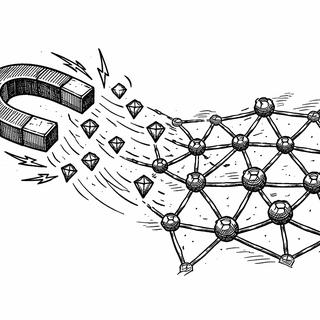
Electro-assisted Deposition: Picture a magnet attracting metal shavings, but instead, we're using electricity to pull nanodiamonds into a polymer matrix. This innovative method allows for precise control over the coating’s composition, much like a barista carefully crafting your perfect cappuccino.
-
Corrosion Resistance: The researchers found that these PPy-ND coatings exhibit tunable corrosion properties. This is critical for implantable devices, as corrosion can lead to device failure or adverse reactions in the body. Think of it as a superhero cape - if it's durable, the hero (the stent) can save the day longer.
-
Characterization: Using advanced techniques like ATR-FTIR spectroscopy and scanning electron microscopy, the team confirmed that their coatings were not just pretty but functional too. They could effectively assess how well the nanodiamonds integrated into the polymer, ensuring that their “cake” was as structurally sound as it was eye-catching.
Real-World Impact: Why This Matters
You might be wondering, “Great, but how does this affect me or my loved ones?” Well, the implications of this research could be transformative for countless patients. Here are a few potential real-world benefits:
-
Improved Implant Longevity: With better corrosion resistance, medical implants could last longer in the body, reducing the number of surgical procedures needed and improving patient outcomes.
-
Enhanced Biocompatibility: The integration of nanodiamonds may help reduce the risk of rejection and promote healing, much like a friendly neighborhood support group for your body’s cells.
-
Versatile Applications: Beyond stents, the technologies developed in this research could apply to various medical implants, from joint replacements to drug delivery systems, creating a new era of smart medical devices that could adapt to the body's needs.
Looking Ahead: A Dazzling Future
As researchers continue to push the boundaries of material science, we stand on the brink of a healthcare renaissance. The ability to create multifunctional coatings using the combined powers of nanodiamonds and conducting polymers is just one example of how innovation can lead to better technologies.
Imagine in a few years, walking into a doctor's office and being told that your stent not only keeps your arteries open but also releases medication and monitors your health - now that’s what I call a power couple!
With each advancement, we step closer to a future where medical devices are not just functional but smart, responsive, and incredibly effective.
So, the next time you hear about nanodiamonds, don’t just think of shiny jewelry. Instead, remember that they might just be helping to keep someone you know healthy and thriving!
Disclaimer: This blog post is based on a research study. Always consult a healthcare professional for medical advice and information. Images and graphics are for illustrative purposes only and do not depict actual medical devices, procedures, mechanisms, or research findings from the referenced studies.
Citation: Cysewska K, Stoppel A, Saqib M, Paul B, Hufenbach JK, Opitz J, Beshchasna N. Electro-assisted integration of nanodiamonds into conducting polypyrrole for functional coatings. Scientific Reports. 2025 Dec 13. doi: 10.1038/s41598-025-31402-6.